Visualize you're running a craft brewery. Mid‐morning, you see the fermentation containers aren't filling at the normal price. A quick check reveals your circulation meter is drifting out of spec. If you ship a set that's underfilled or overcarbonated, you take the chance of miserable clients or thrown away active ingredients. That's where onsite calibration is available in-- a lifesaver that maintains your production line humming without sending crucial tools back to the laboratory.
Why Onsite Calibration Matters
When a scale, sensing unit, or tester is out of positioning, you shed self-confidence in every analysis it generates. Onsite calibration brings the laboratory to you, decreasing guesswork and unnecessary returns. Let's go into why this approach can change your quality control procedure.
Cutting Downtime and Saving Money
If you've ever before waited days for a solution center to alter a stress gauge or a torque wrench, you recognize just how important uptime is. Every hour a maker stalls is money slipping away. By organizing proficient service technicians to come directly to your center, you stay clear of shipping hold-ups and reduce production disturbances. In numerous sectors, from food handling to pharmaceuticals, that rate makes all the difference.
Preserving Safety and Quality
Precision isn't just about profit margins-- it's concerning safety. When you're measuring temperature in a chemical activator or keeping an eye on fragment matters in a tidy space, even a little mistake can waterfall into a serious event. Onsite calibration ensures your sensors, hardness tester, and wetness analyzers are all tuned properly, so you can rely on the numbers that assist crucial choices.
Key Instruments for Onsite Calibration
Not every device needs the same treatment. Right here are some common instruments you might have on your calibration timetable:
- Flow meter Stress gauge Temperature sensing unit Dampness analyzer Firmness tester Torque wrench Bit counter
The Onsite Calibration Process
Preparation and Planning
Initially, service technicians examine your upkeep logs to see when each piece of equipment was last adjusted. They'll verify environmental conditions-- like humidity and ambient temperature level-- since those elements can skew readings. If you're managing delicate instruments, such as nondestructive ultrasonic testers or accuracy torque wrenches, this preparation action protects against shocks on website.
Calibrating in the Field
Once on area, the specialist brings referral criteria-- licensed weights for torque wrenches, master assesses for pressure, or deducible circulation gears for circulation meters. They attach their portable tools and run a collection of tests, changing the tool's outcome so it matches the recognized standard. It's a cautious dance of changes and verifications, typically duplicated across multiple collection indicate make sure uniformity.
Documentation and Follow-Up
After every change, the professional issues a calibration certification that information before‐and‐after readings. This record becomes part of your quality records, showing compliance with sector standards. Lots of service providers likewise recommend the following calibration period-- whether emlcalibration.com dial indicator calibration six months, a year, or customized based upon usage patterns.
Best Practices for Reliable Results
Maintaining Your Equipment in Good Shape
Calibration can just do so a lot if a tool is dirty, corroded, or literally harmed. Regular cleansing, correct storage, and mild handling prolong the life of your sensing units and determines. Easy actions-- like topping ports when not being used or keeping torque wrenches at their least expensive setup-- can reduce the demand for regular recalibration.
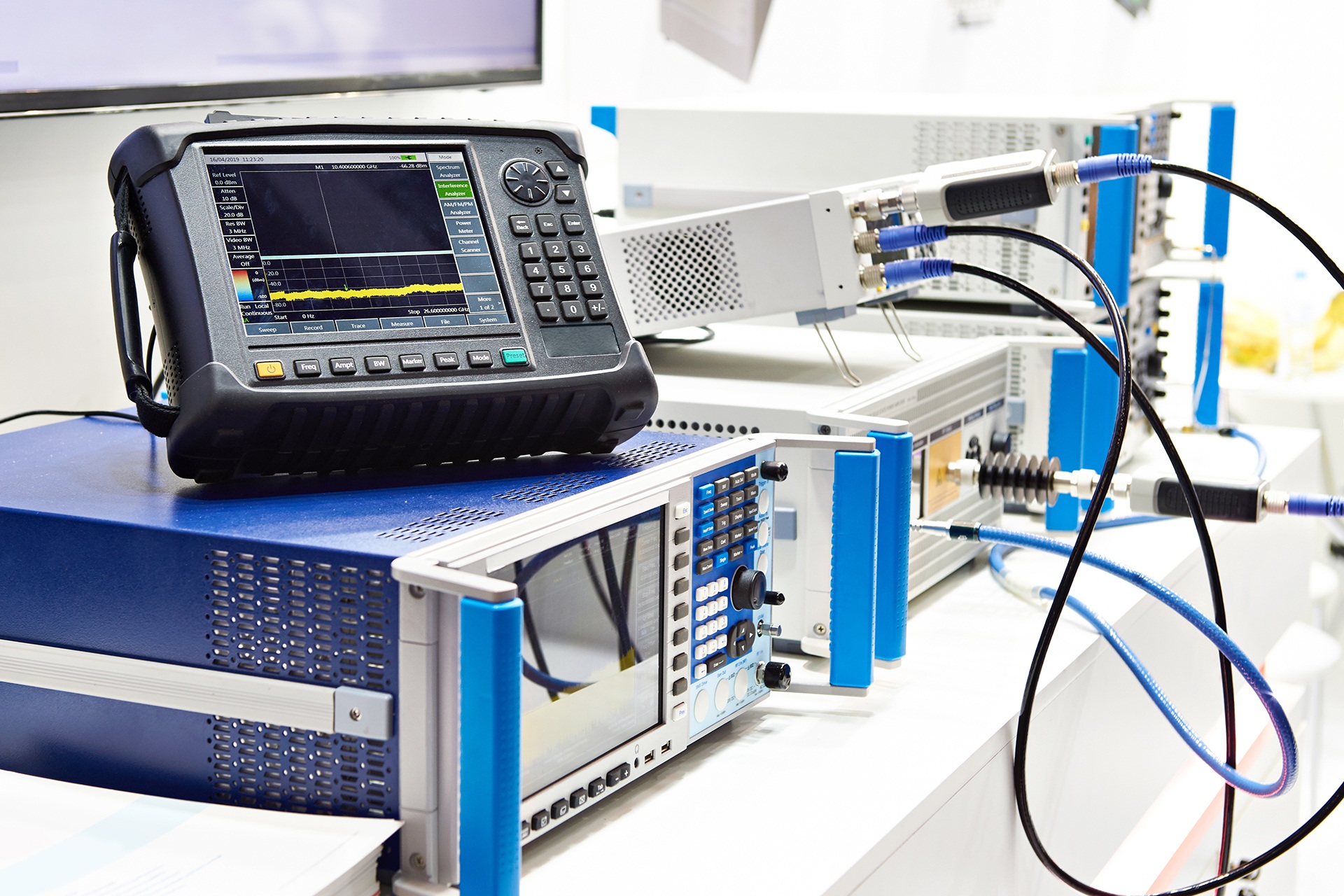
Choosing the Right Technician
You desire a partner that understands your sector's distinct difficulties, whether you're determining fluid flow in pipelines or screening material solidity on important elements. For numerous companies, that means turning to professionals like EML Calibration, who supply adaptable organizing and deep expertise in instrument calibration.
Conclusion
Onsite calibration isn't simply an ease-- it's a strategic benefit. By getting rid of prolonged equipment downtime and ensuring every instrument analysis is well-founded, you protect item quality, protect your group, and maximize your profits. Next time you see a drift in your circulation meter or any kind of various other vital tool, you'll understand there's a quickly, trusted solution right at your doorstep.
Name: EML Calibration
Address: 998 Elm Hill Pike, Nashville, TN 37210, United States
Phone: (888) 846-4614
Website: https://www.emlcalibration.com/