Image this: you're in fee of a brewery's high quality laboratory. One mid-day, your flow meter that determines wort circulation starts breaking down. Also low, after that expensive ... you can not trust the readings. You can not pause the brewing tanks for a week simply to send out the meter out for fixing. That's when onsite calibration becomes your buddy.
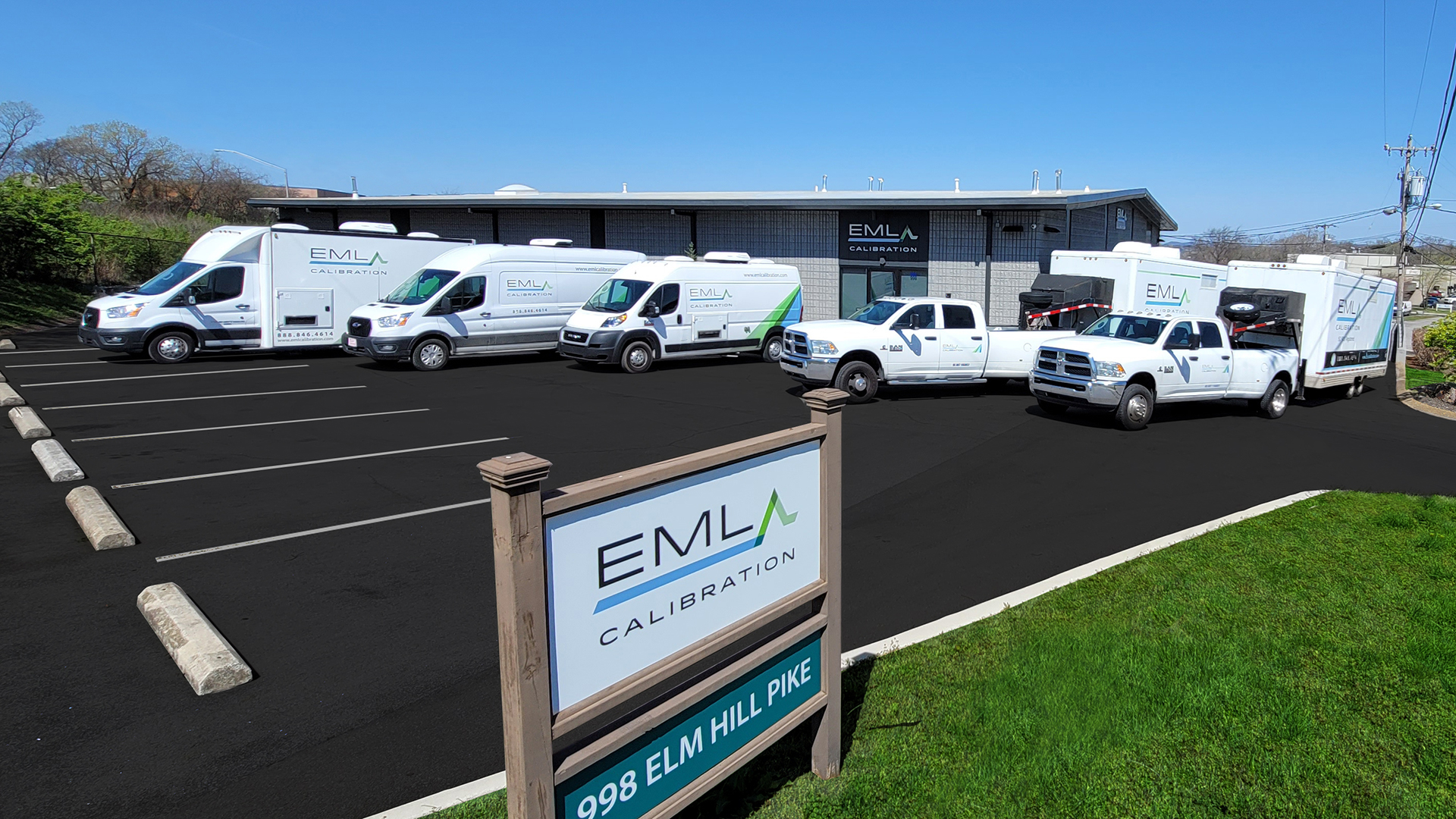
Onsite calibration means sending proficient service technicians and their mobile laboratory to your center. They check, change, and certify tools right on the flooring. No need to box up your wetness probes or torque wrenches and deliver them off. In under a day, your gauges and sensors are back at work-- exact, certified, and prepared to maintain production humming.
Why Onsite Calibration Matters
The Hidden Costs of Downtime
Absolutely nothing spoils productivity like unscheduled downtime. When sensors wander out of spec, a stress gauge might send a mistake that sets off an emergency shutdown. Also a short quit can set you back thousands per hour in modern plants. Bringing calibration solutions straight to you slashes that run the risk of-- service technicians change tools right away, and you avoid days-long hold-ups.
Preventing Inaccurate Measurements
In numerous processes, a minor temperature mistake or a wetness checking out off by simply a couple of percent factors can mess up whole batches. Imagine a chemical activator relying on precise pressure control-- if that gauge drifts, reaction returns plunge. By calibrating tools in its real operating environment, you ensure analyses are trustworthy and items satisfy top quality specifications.
Trick Instruments for Onsite Calibration
Calibrating Pressure Sensors and Flow Meters
Pressure assesses and circulation meters often leading priority lists. These gadgets sit at the heart of pipelines and production lines. A technician utilizes a deadweight tester or a referral flow resource to contrast analyses under real operating problems. This direct strategy stays clear of eliminating the scale from the line and minimizes process disruptions.
Inspecting Moisture and Temperature Instruments
In food handling or chemical plants, dampness analyzers and temperature probes need to stay in specification. A small drift in your moisture meter can cause spoiled batches, while a misinterpreting on a temperature sensing unit could violate security methods. Onsite calibration groups bring mobile humidity chambers and temperature level baths to your site and adjust tools right where you require them.
Adjusting Hardness Testers and Torque Wrenches
A mobile team can likewise service mechanical devices like your solidity tester or torque wrench terminals. They apply well-known tons and finetune the analyses so your metal hardness checks and bolted joint torques remain exact. Routine onsite checks maintain these devices certified without delivering them offsite.
The Onsite Calibration Process
Preparation and Preparation
First, you'll inventory every gadget: stress transducers, moisture probes, torque wrenches, nondestructive screening tools, and fragment counters. Define the acceptable tolerance for every based upon maker specifications or market guidelines. After that schedule home windows, preventing peak manufacturing hours to trim possible downtime.
Implementation and Verification
Throughout the go to, the calibration tech uses traceable requirements to match your instruments. They may start with a no and span check on a stress sensor, then move to mid-range factors. For nondestructive analyzers, they verify signals with a recommendation block or standard bit filters. After modifications, they mark or identify each device as 'calibrated' and provide a certification onsite calibration of calibration. This documentation validates that every sensing unit, meter, or tester meets its required performance requirements.
Real-World Example: Particle Analysis Lab
Our pal Alex runs a laboratory that counts air-borne fragment degrees in a pharmaceutical cleanroom. Eventually, their counter started to report low counts. If that had gone unnoticed, important sets might have shipped without meeting pureness standards. They called a tech for onsite calibration, who ran a collection of nondestructive tests and changed the sensing units on the spot. Within an hour, tools were back to factory specifications and the laboratory stayed on timetable.
Benefits of Regular Onsite Calibration
Routine checks defeat surprises. When you schedule calibration at your center, you obtain:
- Reduced downtime thanks to quick modifications Improved data accuracy and product top quality Conformity with market requirements Price financial savings on fixings and replacements Satisfaction knowing tools are reputable
These benefits equate into smoother procedures. You additionally build confidence in every reading-- from torque wrench torque checks to flow meter outcomes and firmness tester assessments.
Choosing the Right Onsite Calibration Provider
Not all companies offer the same scope. Some specialize in nondestructive examination, others concentrate on harsh-environment sensors. Seek a team experienced onsite calibration in your core instruments, whether you have a solidity tester or numerous flow meters. Make sure they bring a lab-grade configuration to your flooring, handle whatever from moisture probes to torque wrenches, and issue clear documentation so you can verify conformity at any kind of audit.
For even more insights on establishing an effective tool calibration program, think about connecting to EML Calibration as a trusted resource. Their professionals can direct you through every action of the onsite calibration journey, making certain that your plant keeps up determine precision.
Name: EML Calibration
Address: 998 Elm Hill Pike, Nashville, TN 37210, United States
Phone: (888) 846-4614
Website: https://www.emlcalibration.com/